When it comes to building a wardrobe that stands the test of time, the fabric is everything. High-end fashion fabrics are not just about brand names; they are about the hand-feel, durability, and the prestige of the material itself. Whether you are a designer, a fashion enthusiast, or simply someone looking to invest in quality pieces, understanding these textiles is crucial.
In this guide, we explore the top 10 high-end fashion fabrics, detailing their advantages, drawbacks, and the ideal clothing items for each.
1. Mulberry Silk: The pinnacle of high-end fashion fabrics
The Queen of Textiles
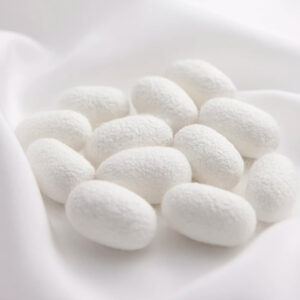
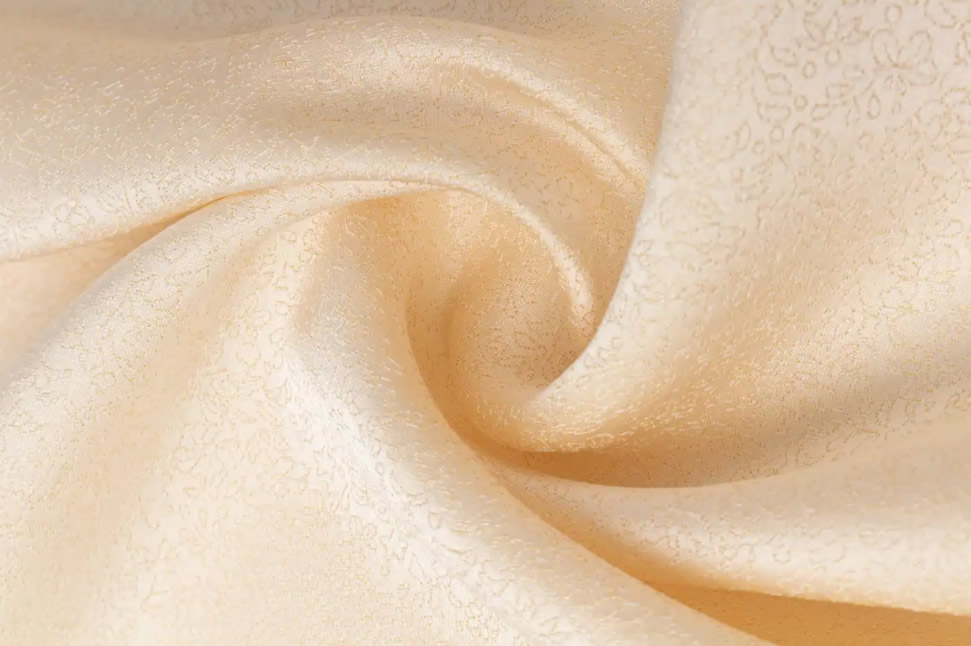
Mulberry silk is the most refined and highest quality silk available. It is produced by silkworms fed exclusively on mulberry leaves, resulting in fibers that are rounder, finer, and more uniform than other silks.
Pros & Cons
Pros: Hypoallergenic, incredibly smooth, temperature-regulating (cool in summer, warm in winter), and has a natural shimmer.
Cons: Delicate and difficult to clean; wrinkles easily; can be damaged by sunlight and perspiration.
Price Range
$50 –$150+ per yard (depending on weight and weave, e.g., Charmeuse vs. Chiffon).
Best For
Evening gowns, luxury blouses, scarves, and high-end lingerie.

2. Cashmere
Softness Redefined
Cashmere is a luxury wool obtained from Cashmere goats. It is known for its extreme softness and insulation properties, providing warmth without the bulk of traditional sheep’s wool.
Pros & Cons
Pros: Extremely soft, lightweight yet very warm, breathable, and durable if cared for properly.
Cons: Expensive; prone to pilling (fabric balls); requires gentle washing or dry cleaning; moths love it.
Price Range
$80 –$300+ per yard (for Grade A cashmere).
Best For
Sweaters, cardigans, shawls, and winter coats.
3. Egyptian Cotton
The Gold Standard for Cotton
Grown in the Nile River Valley, Egyptian cotton has extra-long staples (ELS). This length allows the fibers to be spun into much finer, softer, and stronger yarns than regular cotton.
Pros & Cons
Pros: Exceptionally breathable, becomes softer with every wash, highly durable, and resists pilling.
Cons: Higher price point than regular cotton; can wrinkle; heavy weights may take longer to dry.
Price Range
$30 –$100+ per yard.
Best For
Dress shirts, tailored trousers, and luxury bedding.
4. Vicuña
The Fiber of the Gods
Harvested from the Vicuña, a relative of the llama native to the Andes, this is one of the rarest and most expensive fabrics in the world. It can only be shorn from the animal every two to three years.
Pros & Cons
Pros: The finest natural fiber in the world; lighter and warmer than cashmere; incredibly silky texture.
Cons: Extremely expensive; very rare; requires specialized care (usually dry clean only).
Price Range
$1,500 –$4,000+ per yard.
Best For
Ultra-luxury overcoats, bespoke suits, and exclusive designer scarves.
5. Leather (Full-Grain)
Timeless Durability
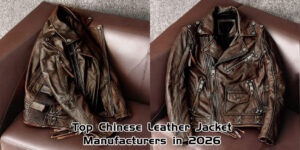
Full-grain leather is the strongest and most durable part of the hide. Unlike “genuine leather,” which is sanded down, full-grain retains the entire grain, developing a beautiful patina over time.
Pros & Cons
Pros: Extremely durable; develops a unique patina (character) as it ages; wind and water resistant.
Cons: Heavy; can be stiff initially; expensive; not breathable in hot weather (unless perforated).
Price Range
$20 –$100+ per square foot.
Best For
Motorcycle jackets, biker boots, belts, and luxury handbags.
6. Merino Wool
The Performer
Merino wool comes from the Merino sheep. Unlike traditional wool, it is much finer, allowing it to bend upon itself. This makes it a favorite in both luxury fashion and high-performance outdoor gear.
Pros & Cons
Pros: Excellent moisture-wicking; odor-resistant; regulates body temperature; very soft and non-itchy.
Cons: Less durable than coarser wools; can develop holes from friction (moths); requires careful washing.
Price Range
$40 –$120 per yard.
Best For
Tailored suits, travel wear, lightweight sweaters, and base layers.
7. Belgian Linen
Summer Sophistication
Linen is made from the flax plant. Belgian linen is widely regarded as the best quality due to the climate and soil in Europe which produce the longest flax fibers. It is the staple of high-end fashion fabrics for warm weather.
Pros & Cons
Pros: The most breathable fabric (perfect for heat); dries quickly; naturally antibacterial; distinct textured look.
Cons: Wrinkles profusely (this is often considered part of the charm); has zero stretch; can feel rough initially.
Price Range
$40 –$150 per yard.
Best For
Summer suits, casual blazers, trousers, and dresses.
8. Silk Velvet
Opulent Texture
While velvet can be made from cotton or synthetics, silk velvet is the pinnacle of luxury. It has a distinctive soft, pile texture that catches the light differently than flat weaves.
Pros & Cons
Pros: Rich, luxurious appearance; drapes beautifully; adds volume and structure.
Cons: Difficult to clean; crushing can permanently flatten the pile; usually dry clean only.
Price Range
$60 –$200+ per yard.
Best For
Evening wear, cocktail dresses, smoking jackets, and upholstery.
9. Alpaca
The Sustainable Luxury
Alpaca fiber is similar to sheep’s wool but is warmer, not prickly, and has no lanolin, making it hypoallergenic. “Baby Alpaca” refers to the finest grade of the fiber, not necessarily the age of the animal.
Pros & Cons
Pros: Softer than sheep’s wool; very durable; water-resistant; available in many natural colors.
Cons: Can be “hairy” (shed fibers); less elastic, so garments can lose shape over time; can itch if low grade.
Price Range
$30 –$100 per yard.
Best For
Coats, heavy winter sweaters, and structured blazers.
10. French Lace (Chantilly or Alençon)
The Artisan’s Touch
French lace, particularly Chantilly or Alençon, is the gold standard for bridal and evening wear. These are often handmade or produced on ancient looms, creating intricate patterns that machines cannot replicate.
Pros & Cons
Pros: Exquisite beauty; lightweight; adds a romantic and feminine touch; timeless.
Cons: Very fragile; extremely expensive; snags easily; difficult to sew.
Price Range
$100 –$500+ per yard (for authentic French lace).
Best For
Wedding dresses, evening gown overlays, and lingerie.
Investing in high-end fashion fabrics is the best way to ensure your wardrobe looks expensive and lasts longer. While materials like Vicuña and French lace come with a high price tag, fabrics like Merino wool and Egyptian cotton offer everyday luxury that is accessible and practical.
When shopping, always check the label. Understanding the fiber content allows you to judge the garment’s value better than the brand logo alone.
Frequently Asked Questions (FAQ)
What is the most expensive fabric in the world?
Vicuña is widely considered the most expensive fabric due to its rarity and the intricate process required to harvest the wool.
Is high-end fabric always dry clean only?
Not always. While silk and wool generally require dry cleaning, high-quality linen and some cottons can be hand washed or machine washed on gentle cycles. Always check the care label.
Why is Egyptian cotton better than regular cotton?
Egyptian cotton has extra-long staples (fibers), which produce a yarn that is finer, stronger, softer, and more resistant to pilling than regular cotton.