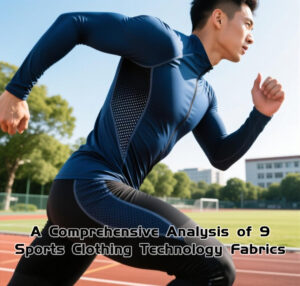
Top 9 Performance Fabrics in Sports Apparel: A Comprehensive Guide to Properties, Selection, Sustainability, and Value
The comfort and functionality of sportswear largely depend on the fabric technology used. Modern sportswear fabrics are evolving from single natural fibers to functional fabrics that integrate multiple high-tech elements, improving comfort and performance during exercise by enhancing breathability, sweat wicking, warmth retention, wind resistance, and waterproofing. For example, by modifying fibers through nanotechnology, biotechnology, and other means, fabrics can be endowed with better moisture absorption, quick drying, antibacterial, and odor prevention functions. These technological innovations not only meet the demanding requirements of athletes for equipment performance in high-intensity sports, but also promote the upgrading and development of the sportswear industry.
This article systematically introduces ten of the most prominent performance fabrics currently used in sports apparel. For each fabric, we analyze its key performance characteristics, ideal sports scenarios, representative brands and product examples, as well as its environmental sustainability, price range, and overall value.
Yunliapparel, a professional manufacturer of customized sportswear sets, offers customized services for antibacterial, odor proof, breathable, sweat wicking, and quick drying technology fabrics.

COOLed® Moisture-Wicking Fabric
Key Performance: COOLed® is a synthetic fiber known for its exceptional moisture-wicking performance. Its unique cross-section features four deep grooves (often referred to as a “quad-channel” structure) that create a capillary effect. This structure allows the fabric to quickly pull sweat away from the skin and spread it across a larger surface area for rapid evaporation, keeping the body dry and cool. Compared to traditional round fibers, COOLed® fibers have a larger surface area, which enhances heat and moisture transfer, effectively functioning as an “advanced cooling system” for the wearer.
Applicable scenarios: Due to its excellent breathability and quick drying performance, COOLed® Fabric is very suitable for high-intensity, sweat prone sports scenarios such as running, fitness training, basketball, etc. In these exercises, it can significantly reduce the discomfort caused by sweat retention, keeping the wearer cool and dry.
Representative Brands & Products: COOLed® is developed by Invista (formerly part of DuPont) and is widely used by many leading sportswear brands. For example, Nike’s Dri-FIT line and Adidas’s Climacool line incorporate COOLed® fibers in their moisture-management fabrics to enhance sweat-wicking performance. Many brands’ athletic T-shirts, training pants, and other gear feature COOLed® technology to provide lasting dryness and comfort during exercise.
Environmental Sustainability: COOLed® is a synthetic fabric (typically polyester-based), which means it is not biodegradable but can be recycled. Some brands have introduced versions of COOLed® made from recycled polyester, reducing reliance on virgin petroleum resources and lowering the environmental footprint. Overall, while COOLed® itself is durable and long-lasting, its main environmental impact comes from the production of virgin polyester. However, by increasing the use of recycled COOLed® materials and implementing recycling programs, its sustainability can be improved.
Price Range: As a well-established commercial technology, COOLed® is relatively cost-effective. Sportswear using COOLed® is generally mid-range in price. A basic COOLed® moisture-wicking T-shirt, for instance, typically costs around ¥100–300 RMB($15-45USD), depending on the brand and design. Compared to ordinary cotton athletic shirts, COOLed® products are slightly more expensive but offer superior functionality, making them a good value for consumers seeking performance.
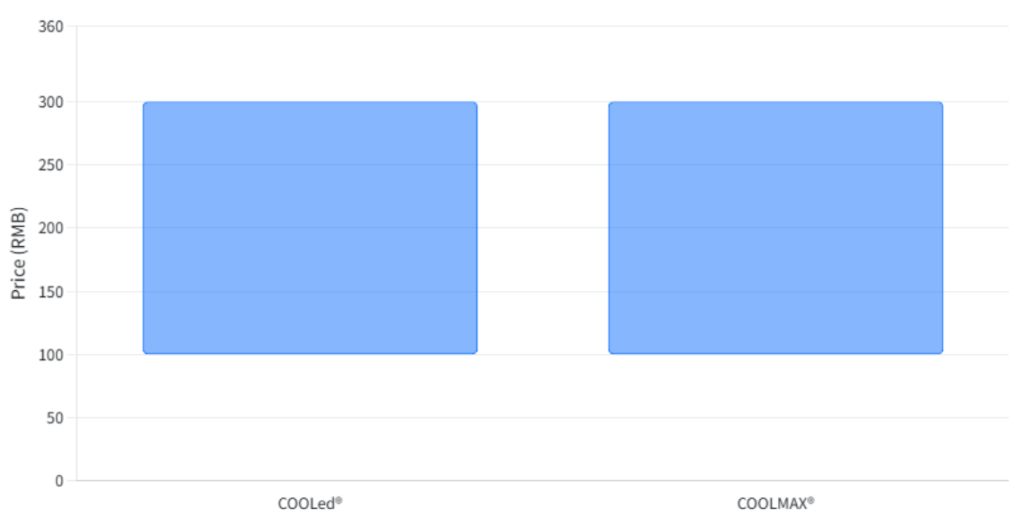
Figure 1: Price Range Comparison of Basic T-Shirts Made from Selected Functional Fabrics (RMB)
CLIMACOOL® A Fabric
Key Performance: CLIMACOOL® A is Adidas’s proprietary high-performance fabric focused on cooling and breathability. Inspired by the body’s heat zones, it uses strategically placed mesh zones to create “360° ventilation,” effectively preventing the hot, sticky feeling often associated with intense exercise. CLIMACOOL® A is typically made from ultra-fine spandex and polyester blends, resulting in a fabric that is lightweight, flexible, and quick-drying. It rapidly wicks sweat and enhances airflow to keep the athlete cool and dry.
Ideal Sports Scenarios: CLIMACOOL® A is designed for warm-weather sports and high-intensity training where heat management is crucial. It excels in activities like soccer, basketball, running, or any sport performed in hot conditions. By wearing CLIMACOOL® A apparel (such as jerseys or training shirts), athletes can stay cooler and more comfortable, which helps maintain performance.
Representative Brands & Products: CLIMACOOL® A is exclusive to Adidas and is widely used in their summer and training collections. Adidas’s football training kits, running T-shirts, and gym apparel often feature CLIMACOOL® A technology to highlight its “cooling” benefits. It is also used in Adidas’s partnerships with football clubs for player kits, ensuring even professional players remain comfortable on the pitch.
Environmental Sustainability: CLIMACOOL® A is a synthetic blend (high spandex content for stretch), similar to COOLed® in terms of environmental impact. While it can be recycled, many CLIMACOOL® A products are made from virgin synthetic fibers. Adidas has begun introducing more sustainable versions using recycled polyester, but overall, CLIMACOOL® A’s sustainability can be further improved by increasing the use of recycled materials and promoting recycling of old garments.
Price Range: As a mid-to-high-end performance fabric, CLIMACOOL® A apparel tends to be priced slightly above basic sportswear. For example, an Adidas CLIMACOOL® T-shirt usually retails for around ¥200–400 RMB($29-58USD), depending on design and collaborations. While the price is higher than some budget brands, the enhanced breathability and comfort make CLIMACOOL® A a worthwhile investment for consumers serious about performance.
Dri-FIT™ Fabric
Key Performance: Dri-FIT™ is Nike’s iconic moisture-wicking fabric, made from ultra-fine synthetic fibers that quickly pull sweat away from the skin through a capillary action. Dri-FIT™ fabrics are soft, lightweight, and exceptionally breathable, providing a cool, dry feeling against the skin. Unlike some fabrics that rely on chemical treatments to achieve wicking, Dri-FIT™ performance is built into the fiber structure, so it remains effective over the life of the garment and through multiple washes.
Ideal Sports Scenarios: Dri-FIT™ is suitable for a wide range of sports and activities, especially those requiring effective moisture management. It’s ideal for running, training, basketball, soccer, and other high-intensity sports where sweat buildup can be a problem. Dri-FIT™ apparel keeps the athlete dry and comfortable, which is crucial for performance in both hot and humid conditions.
Representative Brands & Products: Dri-FIT™ is a core technology in Nike’s sportswear lineup and appears in almost all of their athletic apparel collections. From performance T-shirts and tank tops to shorts and training jackets, Dri-FIT™ is a common label. Examples include the “Dri-FIT Men’s Woven Training Jacket” and the “Dri-FIT DNA Men’s Basketball Jersey,” both of which highlight Dri-FIT™ technology to provide all-day dryness and comfort.
Environmental Sustainability: Like COOLed® and CLIMACOOL® A, Dri-FIT™ is primarily a polyester-based fabric. Nike has launched sustainability initiatives (such as the “Move to Zero” program) that include using recycled polyester in Dri-FIT™ products. For instance, many new Dri-FIT™ T-shirts now contain recycled polyester, reducing the need for virgin petroleum. Despite these efforts, the environmental footprint of Dri-FIT™ (like most synthetics) is still notable, and increasing the use of recycled content and improving recyclability are key to enhancing its sustainability.
Price Range: Dri-FIT™ products span a broad price range since the technology is used across Nike’s line. Basic Dri-FIT™ T-shirts are typically around ¥100–200 RMB, while more advanced or collaboration pieces can cost ¥300 or more. Overall, Dri-FIT™ apparel is competitively priced – often comparable to other mid-tier performance fabrics – and is considered a good value given Nike’s brand reputation and the fabric’s proven performance.
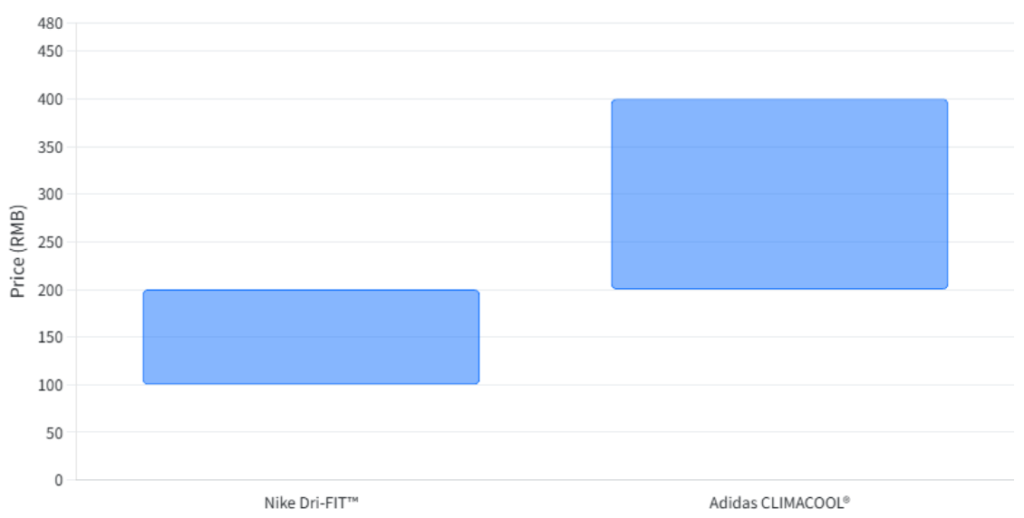
Figure 2: Price Comparison of Basic T-Shirts from Nike Dri-FIT™ and Adidas CLIMACOOL® (RMB)
GORE-TEX® Fabric
Key Performance: GORE-TEX® is a revolutionary waterproof and breathable fabric developed by W.L. Gore & Associates, often called the “fabric of the century”. Its core is an extremely thin membrane of expanded polytetrafluoroethylene (ePTFE) with about 9 billion microscopic pores per square inch. Each pore is much smaller than a water droplet (so liquid water cannot pass through) but much larger than a water vapor molecule (allowing moisture vapor to escape). This unique structure makes GORE-TEX fabric completely windproof and waterproof while still allowing water vapor (sweat) to escape, effectively “breathing”. As a result, GORE-TEX provides excellent protection in wind, rain, and snow without sacrificing comfort.
Ideal Sports Scenarios: GORE-TEX® was originally designed for outdoor exploration and extreme environments, and it is a top choice for mountaineering jackets, ski suits, and hiking apparel. In activities like mountaineering, trekking, or skiing, GORE-TEX keeps the wearer dry and comfortable in harsh weather, improving safety and performance. In recent years, GORE-TEX has also crossed over into everyday sportswear and urban gear – for example, windproof and warm jackets, running shoes, and other products that need to perform in changeable weather.
Representative Brands & Products: Gore tightly controls the production and quality of GORE-TEX® fabric, and only licensed brands can use the GORE-TEX label. Many leading outdoor and sports brands have GORE-TEX product lines. For instance, Arc’teryx uses GORE-TEX in its Beta series jackets, Mammut in its Eiger Extreme line, and The North Face in its Futurelight jackets. These brands leverage GORE-TEX to create high-performance outerwear for athletes. Even some sportswear brands (like Patagonia and Marmot) use GORE-TEX to ensure their products meet the demands of serious outdoor enthusiasts.
Environmental Sustainability: Traditional GORE-TEX® production used a durable water repellent (DWR) treatment based on perfluorinated chemicals (PFAS), which raised environmental concerns. In response, Gore has introduced new GORE-TEX fabrics (e.g. GORE-TEX Pro and GORE-TEX Paclite) that use PFAS-free DWR treatments. These new fabrics maintain the original performance while significantly reducing environmental impact. GORE-TEX is a composite material that can be recycled, but most products on the market still use virgin materials. As eco-friendly versions of GORE-TEX become more common, its sustainability will continue to improve.
Price Range: Due to its advanced technology and high cost, GORE-TEX® products are generally premium. A basic GORE-TEX waterproof jacket often starts around ¥1000 RMB ($144 USD), and high-end models can cost several thousand yuan. For example, a top-brand GORE-TEX mountaineering jacket might retail for ¥3000($430 USD) or more. While expensive, for athletes who need reliable protection in bad weather, the investment in GORE-TEX is justified by its exceptional performance and durability, making it a worthwhile long-term purchase.
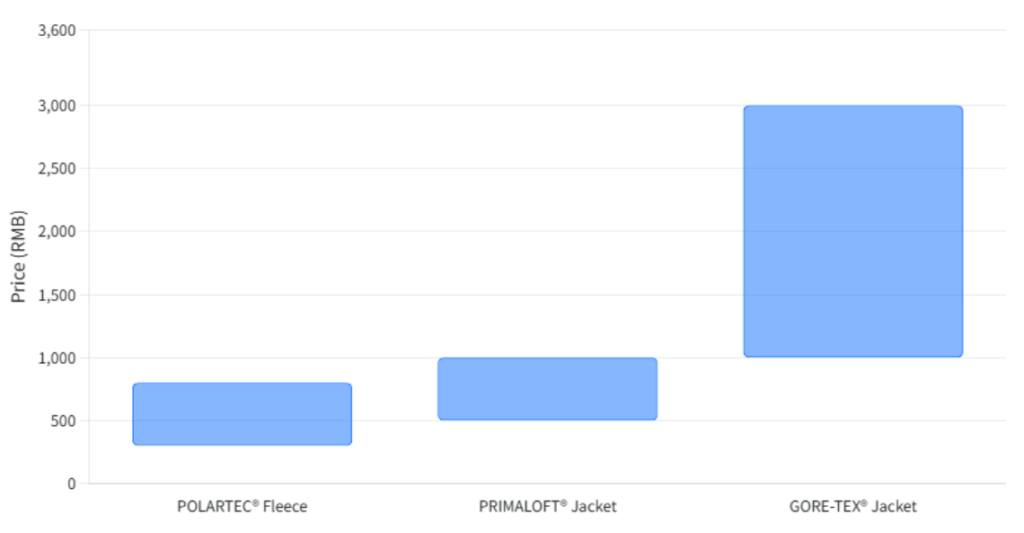
Figure 3: Price Range Comparison of High-End Functional Fabric Apparel (RMB)
POLARTEC® Fabric
Key Performance: POLARTEC® is a family of performance fabrics developed by Malden Mills (now Polartec LLC), and it’s widely regarded as the gold standard for fleece fabrics. Polartec fleece (and its various iterations) is known for being lightweight, warm, breathable, quick-drying, and highly packable. Its fiber structure and knitting process provide an excellent balance of warmth and breathability, making it a pioneer of the “soft-shell” fabric category. Polartec fabrics also resist static buildup and are durable against pilling and wear, maintaining their performance over time.
Ideal Sports Scenarios: POLARTEC® fabrics were originally designed for outdoor sports and are commonly used in fleece jackets, mid-layer insulation, and soft-shell apparel. They are ideal for activities like hiking, climbing, skiing, or any outdoor sport where you need insulation but also breathability. For example, a Polartec fleece jacket can be worn as a mid-layer in cold weather to keep you warm without overheating during activity. In urban settings, Polartec’s comfort and warmth have also made it popular in casual wear and travel clothing.
Representative Brands & Products: POLARTEC® is used by a who’s who of outdoor brands. Arc’teryx has the Gamma series soft-shell jackets using Polartec NeoShell, Mammut offers the Ultimate Hoody made of Polartec fleece, and Patagonia has the R1 series and other fleece jackets using Polartec fabrics. These brands rely on Polartec to deliver products that combine warmth, wind resistance, and breathability. Even some sportswear brands (like KAILAS in China) have incorporated Polartec materials to enhance the performance of their outdoor gear.
Environmental Sustainability: POLARTEC® fabrics are synthetic (often polyester), but Polartec has introduced recycled versions (Polartec Eco) made from recycled polyester. This reduces the use of virgin polyester and the environmental footprint. Polartec fabrics are also very durable – a well-made Polartec fleece can last many years, which reduces the frequency of replacement and is beneficial for the environment. On the downside, like all synthetics, they are not biodegradable, so increasing the use of recycled content and implementing take-back recycling programs are important steps to improve Polartec’s sustainability.
Price Range: Polartec fabrics are considered mid-to-high-end, so products made with Polartec tend to be more expensive. A basic Polartec fleece jacket might range from ¥300 to ¥800 RMB($43-$115 USD), depending on the brand and model. Premium-brand Polartec products can be even higher. Despite the price, for outdoor enthusiasts who need reliable warmth and breathability, Polartec’s performance and longevity make it a solid investment.
PRIMALOFT® Fabric
Key Performance: PRIMALOFT® is a high-performance synthetic insulation material often called “P棉” in Chinese, and it’s designed to rival natural down. PRIMALOFT uses ultra-fine fibers with a crimped structure that mimic the clusters of down, creating lots of air pockets to trap warmth. This gives it an excellent warmth-to-weight ratio – it’s very light yet very warm. Crucially, Primaloft fibers are treated to be water-resistant, so even if the insulation gets wet (from rain or sweat), it retains much of its insulating ability. This means Primaloft insulation continues to keep you warm even in damp conditions, unlike down which loses insulation when wet.
Ideal Sports Scenarios: PRIMALOFT® is widely used in sports and outdoor apparel where warmth and water resistance are key. It’s common in ski jackets, snowboard pants, mountaineering suits, and winter running jackets – any situation where you need reliable insulation that won’t fail if it gets wet. Because of its water-resistant properties, Primaloft is also used in accessories like gloves and boots for winter sports, ensuring you stay warm even in snow or slush. Some everyday winter coats also use Primaloft as a lightweight insulation layer.
Representative Brands & Products: Many top outdoor brands trust PRIMALOFT® for their insulation needs. Patagonia uses Primaloft Gold in its Down Sweater jackets, The North Face has ski jackets and parkas with Primaloft insulation, and Arc’ teryx‘s Atom series mid-layers use Primaloft. These brands highlight Primaloft’s warmth and water resistance to create products for cold, wet environments. Even some sports brands (like Adidas and Nike) have incorporated Primaloft in their winter apparel lines to improve warmth without adding bulk.
Environmental Sustainability: PRIMALOFT® is a synthetic insulation (polyester-based), so its environmental profile is similar to other polyester fabrics. Primaloft has introduced more sustainable versions (Primaloft Bio and recycled Primaloft) that use recycled materials or bio-based fibers to reduce impact. While Primaloft insulation itself can be recycled, many products still use virgin material. As the industry shifts toward more recycled content, Primaloft’s sustainability is expected to improve in the coming years.
Price Range: Primaloft is a premium insulation material, so products with Primaloft are generally priced higher. A basic Primaloft-insulated jacket might cost around ¥500–1000 RMB($72-$145 USD), and top-brand pieces can be more. Given its performance, Primaloft provides excellent value for anyone needing lightweight warmth in wet or cold conditions – it’s often worth the extra cost for the peace of mind that comes with reliable insulation.
COOLMAX® Fabric
Key Performance: COOLMAX® is a moisture-wicking fabric originally developed by DuPont (now part of Invista). It uses fibers with a unique four-channel cross-section (similar to COOLed®) that rapidly pull sweat away from the skin and speed up evaporation. This structure significantly enhances heat and moisture transfer, helping to keep the body cool and dry. COOLMAX® fabrics are lightweight and breathable, making them ideal for activewear that needs to manage moisture effectively. They are also easy to care for and quick-drying, which is a big plus for athletes who wash their gear frequently.
Ideal Sports Scenarios: COOLMAX® is perfect for high-intensity sports and activities where sweat management is critical. It’s commonly used in running shirts, cycling jerseys, gym apparel, and any sport performed in hot weather or indoors where you tend to sweat a lot. By wearing COOLMAX clothing, athletes can stay drier and more comfortable, which helps prevent chafing and improves overall performance.
Representative Brands & Products: COOLMAX® is a well-known fabric technology used by many sportswear brands. Nike’s Dri-FIT and Adidas’s ClimaCool lines, for example, incorporate COOLMAX fibers in their moisture-management fabrics. Many brands’ athletic T-shirts, shorts, and other gear feature COOLMAX to provide lasting dryness. Even some outdoor brands (like Patagonia and Marmot) have used COOLMAX in products for summer sports or travel to keep wearers cool in hot conditions.
Environmental Sustainability: COOLMAX® is a synthetic (polyester) fabric, so it is not biodegradable but can be recycled. Some brands have started using recycled COOLMAX (made from recycled polyester) to reduce environmental impact. Overall, COOLMAX is durable and can last a long time, which is a positive, but like all polyester fabrics, its production has an environmental footprint. By increasing the use of recycled COOLMAX materials and promoting recycling of old garments, the sustainability of COOLMAX products can be improved.
Price Range: As a mature, widely used technology, COOLMAX® is relatively affordable. Sportswear made with COOLMAX is generally in the mid-range price category. A basic COOLMAX T-shirt might cost around ¥100–300 RMB ($15-$45 USD), depending on the brand. Compared to a basic cotton shirt, it’s a bit more expensive, but given its superior performance in hot conditions, many find COOLMAX apparel to be a good value.
DriClime™ Fabric
Key Performance: DriClime™ is a proprietary fabric developed by Marmot, often described as a technical fabric for sports and activewear. It’s a dual-layer fabric with an inner wicking layer and an outer protective layer. The inner layer is made of fibers that quickly absorb and transport moisture away from the skin, while the outer layer is a durable polyamide that resists wind and water. This combination gives DriClime™ excellent breathability, stretch, and abrasion resistance. The outer layer is usually treated with a durable water repellent (DWR) to shed light rain or snow, yet the fabric remains breathable enough to let sweat escape, keeping you dry from the inside out.
Ideal Sports Scenarios: DriClime™ is designed for variable outdoor conditions and excels in sports like hiking, climbing, and trail running, especially in spring or fall. In these scenarios, it can serve as a moisture-wicking base layer or a light insulation mid-layer, providing comfort in a wide range of conditions. DriClime™ is also used in some outdoor jackets and pants as a strategic paneling material – for example, underarm or back panels might use DriClime™ for added breathability while the rest of the garment uses a more insulated fabric.
Representative Brands & Products: DriClime™ is a signature technology of Marmot and is used in many of their products. Marmot’s “DriClime” line includes jackets and vests that utilize this fabric for active pursuits. Some other brands have partnered with Marmot or licensed DriClime™ for their own lines, recognizing its performance benefits in outdoor and athletic apparel.
Environmental Sustainability: DriClime™ is made from synthetic fibers (nylon and polyester), so its environmental impact is similar to that of other synthetic fabrics. Currently, most DriClime™ products use virgin materials, but as sustainability becomes more important, we can expect to see more recycled content in DriClime™ fabrics in the future. Marmot and other brands are increasingly focusing on using recycled materials and improving the recyclability of their products, which will help reduce the footprint of fabrics like DriClime™.
Price Range: Because DriClime™ is a specialized fabric and is often used in premium outdoor gear, products featuring DriClime™ tend to be on the higher end of the price spectrum. A Marmot DriClime™ jacket or vest might cost around ¥500–800 RMB ($72-115 USD), depending on the style. While this is pricier than a basic fleece or synthetic layer, the versatile performance of DriClime™ (wicking, wind resistance, water repellency, and breathability) makes it a worthwhile investment for serious outdoor enthusiasts.
ICE-SILK™ Fabric
Key Performance: ICE-SILK™ is an innovative performance fabric made from regenerated cellulose fibers (like viscose or modal), designed to provide a cool, silky feel with strong moisture-wicking and cooling properties. The fiber itself is engineered to be extremely smooth and has a natural cross-section with a hollow channel, which gives it excellent breathability and moisture absorption. ICE-SILK™ fabrics are lightweight, quick-drying, and have a natural cooling effect on the skin – they can feel significantly cooler to the touch than standard synthetic fabrics. Additionally, ICE-SILK™ often incorporates natural antimicrobial agents (such as bamboo-derived compounds) that help inhibit the growth of odor-causing bacteria, keeping garments fresher longer.
Ideal Sports Scenarios: ICE-SILK™ is particularly suited for hot weather sports and any activity where staying cool and dry is a priority. It’s great for summer running, yoga, gym workouts, and even casual summer wear, thanks to its luxurious feel and cooling effect. In high-temperature environments, ICE-SILK™ clothing can help regulate body temperature and reduce the discomfort of sweat. Its natural antimicrobial properties also make it a good choice for multi-day sports events or travel, where you might wear the same garment for several days.
Representative Brands & Products: ICE-SILK™ is a newer fabric technology that has been adopted by some forward-thinking brands. For example, Baiqin (Xiamen) Clothing Co. has developed ICE-SILK™ fabrics for use in their sportswear lines. These products highlight the “ice-silk” feel – they’re soft, smooth, and cool against the skin. We’re also seeing ICE-SILK™ used in certain athletic apparel collections from brands that focus on natural or sustainable materials, blending performance with comfort.
Environmental Sustainability: ICE-SILK™ is made from renewable cellulose fibers (like wood pulp), which are biodegradable and come from sustainably managed forests. This gives ICE-SILK™ a lower environmental impact compared to fully synthetic fabrics. The production process for ICE-SILK™ also uses fewer chemicals than traditional synthetic fabric production, and it avoids the use of petroleum-based materials. Additionally, the fabric’s natural antimicrobial properties can reduce the need for chemical antimicrobial finishes. Overall, ICE-SILK™ is one of the more eco-friendly performance fabrics available, aligning with the growing demand for sustainable sportswear.
Price Range: Because ICE-SILK™ is a relatively new and premium fabric (and often involves natural fibers), products made with ICE-SILK™ tend to be priced higher than basic synthetic activewear. A basic ICE-SILK™ sports shirt might cost around ¥200–500 RMB ($29-$72 USD), depending on the brand and design. While it’s more expensive, the combination of performance, comfort, and environmental benefits makes ICE-SILK™ an attractive option for consumers willing to invest in high-quality, sustainable sportswear.
Conclusion
The development of performance fabrics has dramatically improved the functionality and comfort of sports apparel. From moisture-wicking COOLed®, CLIMACOOL® A, and Dri-FIT™, to waterproof breathable GORE-TEX®, and insulating POLARTEC® and PRIMALOFT®, each fabric addresses specific needs and conditions. For sports industry professionals, understanding the properties, applications, and examples of these fabrics is crucial for making informed fabric choices when designing products. This knowledge can lead to better products that meet consumer needs and stand out in a competitive market.
When selecting sportswear, consumers should match the fabric to their activity and environment. For hot, sweaty conditions, prioritize moisture-wicking fabrics like COOLed®, CLIMACOOL® A, or Dri-FIT™ to stay dry and cool. In cold or wet conditions, look to GORE-TEX®, POLARTEC®, or PRIMALOFT® for warmth and weather protection. And for those who value sustainability and natural comfort, fabrics like COOLMAX® (when recycled), ICE-SILK™, or other eco-friendly materials offer a greener choice without sacrificing performance. Each fabric has its strengths – the key is choosing the right one for the job.
Sustainability has become an important trend in sportswear. More brands are adopting recycled fibers, bio-based materials, and eco-friendly production methods to reduce environmental impact. Looking ahead, performance fabrics will continue to evolve, becoming even more sustainable and high-tech. We can expect further innovations, such as fabrics that adjust their insulation based on temperature, or smart textiles integrated with wearable technology, all aimed at enhancing the athlete’s experience.