he global clothing industry presents a multipolar distribution, with traditional fashion capitals such as Paris, Milan, New York, London, and Tokyo occupying the core of the high-end value chain, while Southeast Asian countries such as China, Bangladesh, and Vietnam have become important pillars of the global industry with their advantages in large-scale manufacturing and emerging markets. Especially in China, with years of accumulated production experience and a strong supply chain system, it has unique advantages in high-end clothing brand customization such as streetwear customization, T-shirt customization, fashion hoodie customization, jeans customization, etc. Excellent clothing customization manufacturer Yunji has contributed significantly to the global clothing industry (China is the world’s largest clothing producer and exporter). Next, let’s talk about the distribution of the global clothing industry.
High end value chain: the dominant position of traditional fashion capital
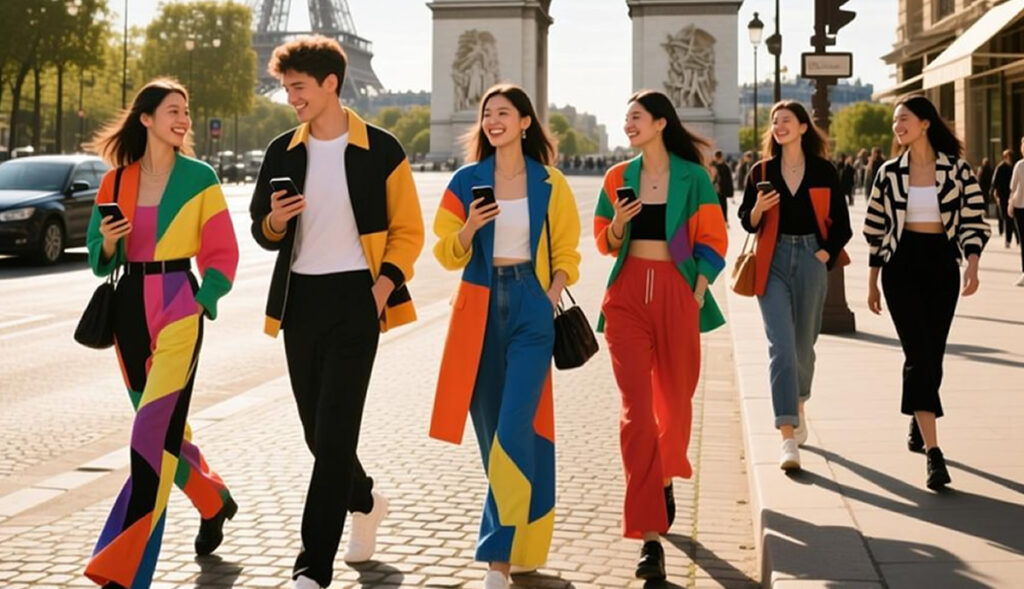
The high value-added sectors of the global clothing industry, such as design, branding, and marketing, are highly concentrated in five major cities:
Paris, known as the “Capital of Haute Couture,” boasts top luxury brands such as Louis Vuitton, Chanel, and Dior, leading global haute couture and fashion trends.
Milan: As the “capital of high-end ready to wear”, represented by brands such as Gucci, Prada, Armani, etc., it leads the way in ready to wear design and high-end manufacturing.
New York: Known as the “Capital of Sports, Leisure, and Ready to Wear,” it gathers brands such as Nike, Ralph Lauren, and Tommy Hilfiger, blending sports and fashion elements.
London: Known as the “Capital of Classic Men’s Wear”, it boasts brands such as Burberry and Dunhill, emphasizing the combination of traditional craftsmanship and modern design.
Tokyo: As the “capital of East West fusion”, brands such as Issey Miyake and Comme des Gar ç ons integrate Eastern aesthetics with Western tailoring to promote the rise of Asian fashion.
Core advantages: These cities occupy a high-end share of the global clothing market through design innovation, brand premium, and global marketing networks, with profit margins far exceeding the manufacturing process.In the field of streetwear, the main advantage lies in brand operation, and the production and manufacturing of clothing are mostly outsourced to countries such as China and Vietnam where production is dominant.
Manufacturing End: The Rise of Scale in China and Southeast Asia
The global clothing production network presents a dual center pattern of “China+Southeast Asia”:
China:
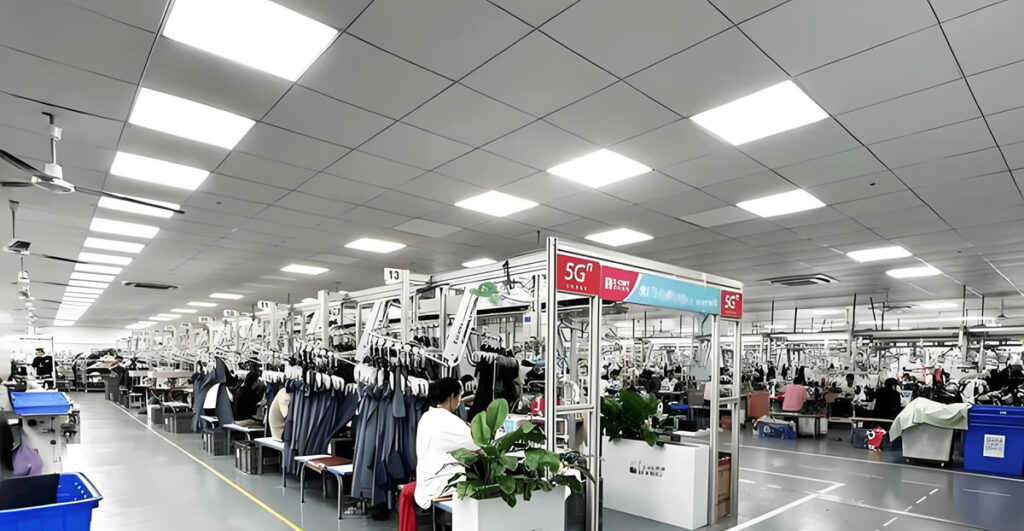
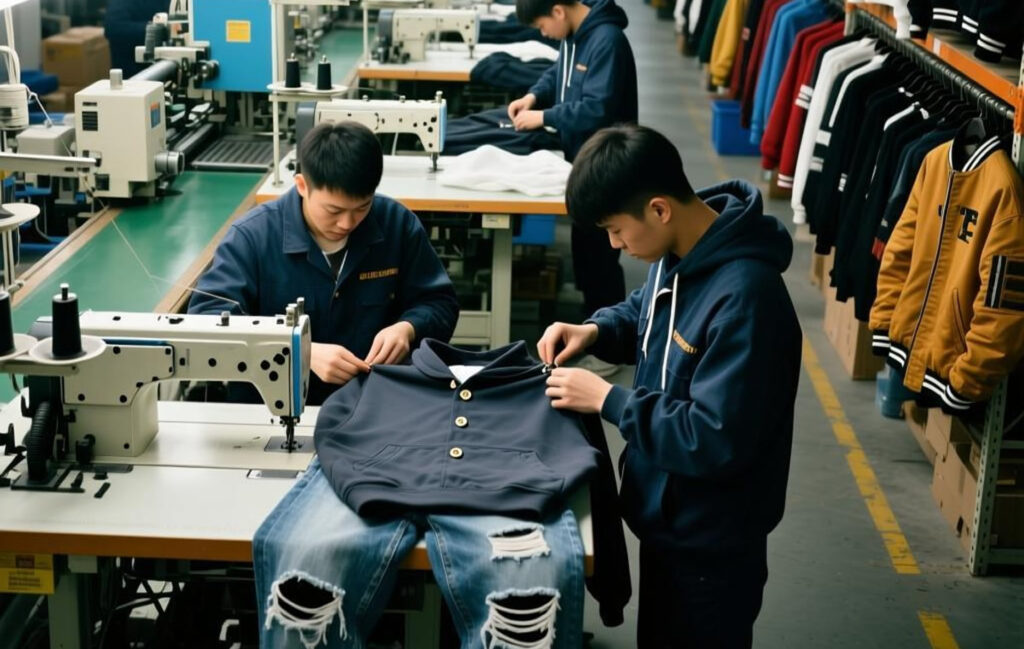
Scale and efficiency: China is the world’s largest producer and exporter of clothing, accounting for 31.7% of global exports in 2022, with an annual production capacity of over 70 billion pieces, accounting for more than half of the world’s total.
Industrial clusters: forming industrial clusters in the Yangtze River Delta (such as Ningbo and Suzhou), Pearl River Delta (such as Humen in Dongguan and Guangzhou, gathering a large number of street clothing customization service providers and clothing manufacturers such as T-shirts and jeans), Fujian (such as Shishi and Quanzhou), etc., achieving full chain integration from fabric research and development to garment manufacturing.
Technological upgrade: Through the “black light factory” and digital twin technology, small batch orders can be quickly responded to, such as the Shenzhou International Ningbo Base completing the full process manufacturing from yarn to finished clothing within 72 hours.
Policy support: The number of national level small and medium-sized enterprise characteristic industrial clusters ranks first among prefecture level cities in China, promoting collaborative innovation in the industrial chain.
Southeast Asia:
Cost advantage: With the advantage of labor costs, Bangladesh and Vietnam have experienced rapid growth in clothing exports, doubling their export value from 2013 to 2022 and increasing their global share to 7.9% and 6.1%, respectively.
Industrial transfer: Chinese clothing companies are expanding their labor-intensive processes to Southeast Asia while retaining high gross profit areas such as fabric research and development, dyeing and finishing, forming a collaborative model of “Chinese design+Southeast Asian manufacturing”.
Core advantage: China and Southeast Asia have become key links in the global clothing supply chain through large-scale production and cost optimization, but the profit margin is lower than that of high-end design links.
Emerging Markets: Unleashing the Potential of India and Africa
India:
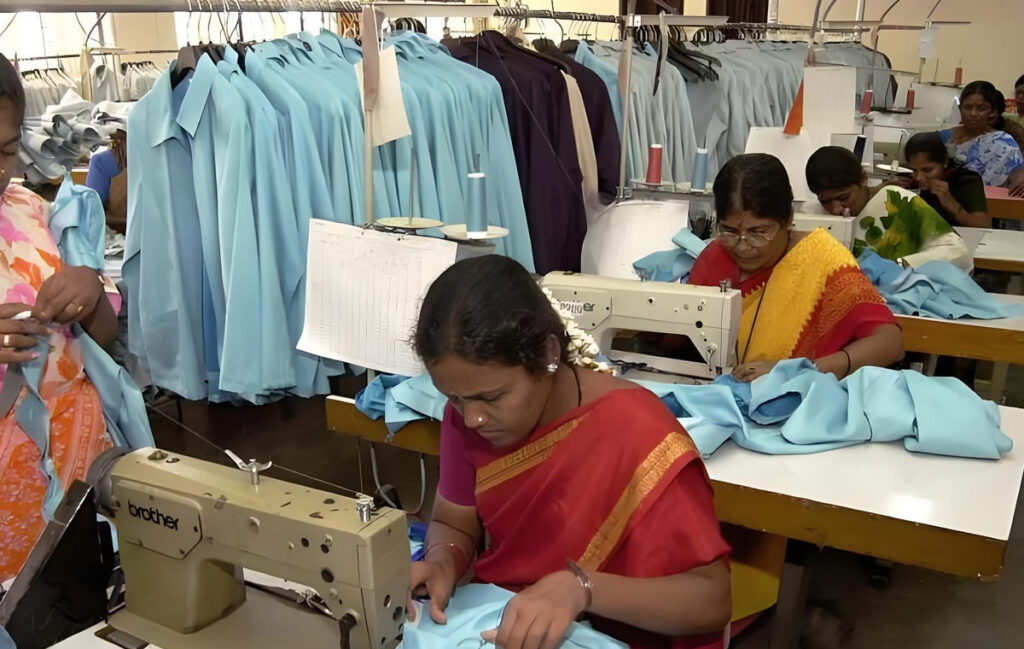
Market size: In 2021, the retail sales of clothing reached 7.415 billion pieces, accounting for 7% of the world’s total. It is the third largest clothing consumer market in the world, mainly based on production. The clothing customization industry (such as jeans customization, fashion casual clothing customization, streetwear customization, etc.) is underdeveloped.
Industrial foundation: It has a complete textile industry chain, from cotton planting to garment manufacturing, but with a low level of automation and reliance on low-cost labor.
Africa:
Policy driven: Egypt and other countries attract foreign investment through tax incentives and trade agreements, gradually becoming emerging layout areas for the global textile and clothing industry.
Market potential: With the rise of the middle class in Africa, the demand for clothing consumption is growing rapidly, but local manufacturing capacity is limited and dependent on imports.
Core advantage: India and Africa attract global industrial transfer through low-cost labor and policy dividends, but require improvement in technological level and brand influence.
Future Trends: Technology and Sustainability Reshape the Industrial Landscape, China Continues to Lead the Most Developed Region in Street Clothing Customization Industry
Intelligent production: AI assisted design, machine vision quality inspection and other technologies will shorten production cycles, improve efficiency, and are expected to bring over $15 billion in revenue growth to the industry by 2030. As one of the countries with the most developed AI applications, China’s streetwear customization industry will undoubtedly receive new impetus and continue to be a leader in the industry, contributing to the clothing customization industry.
Sustainable Fashion: The global green clothing market is expected to reach $48 billion by 2030, increasing its proportion to 25%, promoting the research and development of environmentally friendly materials and circular economy models.
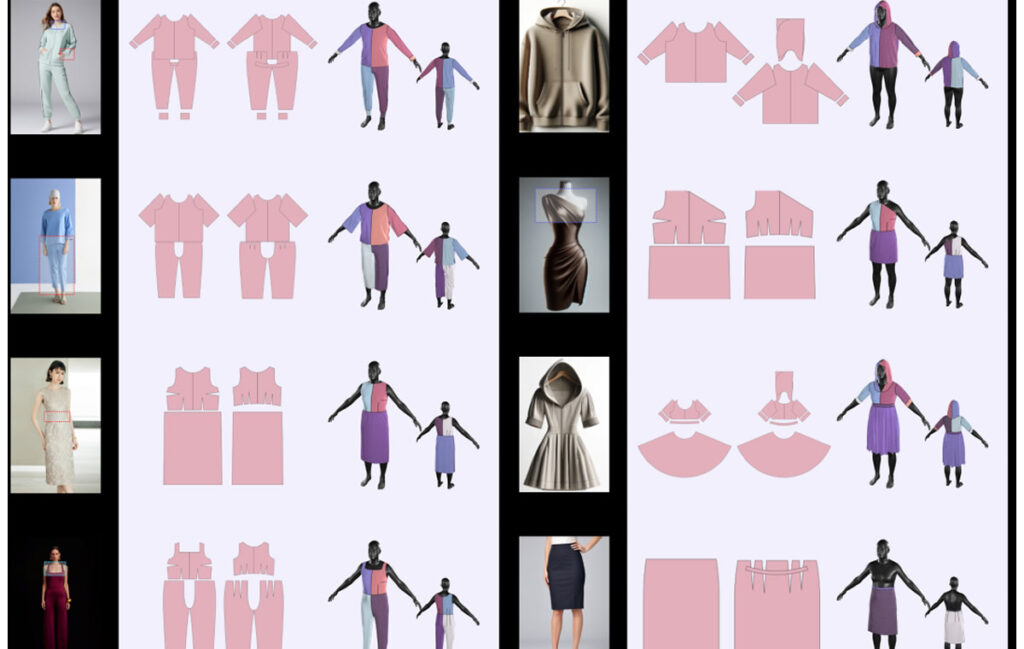
Personalized customization: Technologies such as 3D printing and virtual fitting will meet consumers’ personalized needs, and the market size is expected to grow from $15 billion in 2025 to $40 billion in 2030.
Conclusion: The development level of the global clothing industry presents a “pyramid” structure
Top tier cities such as Paris, Milan, and New York occupy the high-end segments of design, branding, and marketing, with lucrative profits but limited scale.
Tower Body: China and Southeast Asia have become the core of the global supply chain through large-scale manufacturing and cost optimization, but profit margins are being squeezed.
Taki: Emerging markets such as India and Africa attract industrial transfer through low-cost labor and policy dividends, but they need to improve their technological level and brand influence.
Conclusion:
Where to customize streetwear? China is undoubtedly the undisputed king among all regions in the world with the most developed custom streetwear industry, both now and in the future. Especially in Humen, Dongguan, China, where a large number of clothing customization manufacturers gather, whether it is emerging clothing brands from start-up companies or high-end fashion brands, it is definitely the right place to visit clothing customization merchants in Humen, Dongguan, China.